September in Christchurch is the last month of Silk Clinical's stated safer pigmentation window, not a low-UV winter month. Mean monthly peak UV Index here crossed 3 in September in each year from 2019 to 2023. Remaining peel or microneedling sessions still fit a moderate-UV calendar. A 3 to 6 month collagen course started now would still be building in summer.
Canterbury's UV season
In New Zealand, SunSmart advises that ultraviolet radiation is generally damaging to skin and eyes from September to April, especially between 10am and 4pm, and that protection is needed whenever the UV Index is 3 or higher, including on cloudy days.
Stats NZ UV intensity data puts Christchurch's mean monthly peak UV Index from 2019 to 2023 at 1.7 to 2.0 in August, 3.0 to 3.8 in September, and 5.1 to 5.5 in October. From 2004 to 2023 the city averaged 94 days a year with peak UV at very high or extreme levels (Index 8 or more). New Zealand peak UV can be about 40 percent higher than at similar northern-hemisphere latitudes.
Daylight saving in 2026 begins at 2am on 27 September, in the same September-to-April span as the SunSmart message.
Our post-summer companion piece sets out that April through September is the safer window for pigmentation treatments in Christchurch, and that energy-based pigmentation work is best when skin is not heavily tanned. September finishes that stretch. March to May is when that work restarts. Shade, a hat, and sunscreen when the Index is 3 or higher limit further UV injury more than any in-clinic procedure.
Surface-treatment lead time
Pro Dermal peels at Silk Clinical can flake for 2 to 5 days. Aftercare asks for SPF 50 and at least 2 to 4 weeks of strict sun protection, because freshly exfoliated skin is more UV-sensitive. DermNet independently advises sun protection after peels and notes a higher dyspigmentation risk in Fitzpatrick IV to VI skin.
Microneedling is sold as a course of three sessions spaced 4 to 6 weeks apart, with redness for 24 to 48 hours and daily broad-spectrum SPF while the skin renews. A systematic review of microneedling adverse effects lists post-inflammatory hyperpigmentation as a documented risk, and the literature on post-inflammatory hyperpigmentation records that pigment change can worsen with UV. A three-session course started in September would still be running in November, when Canterbury UV is already high. Completing a course already underway, or booking one assessed session with a photoprotection plan, fits this month.
Device-treatment lead time
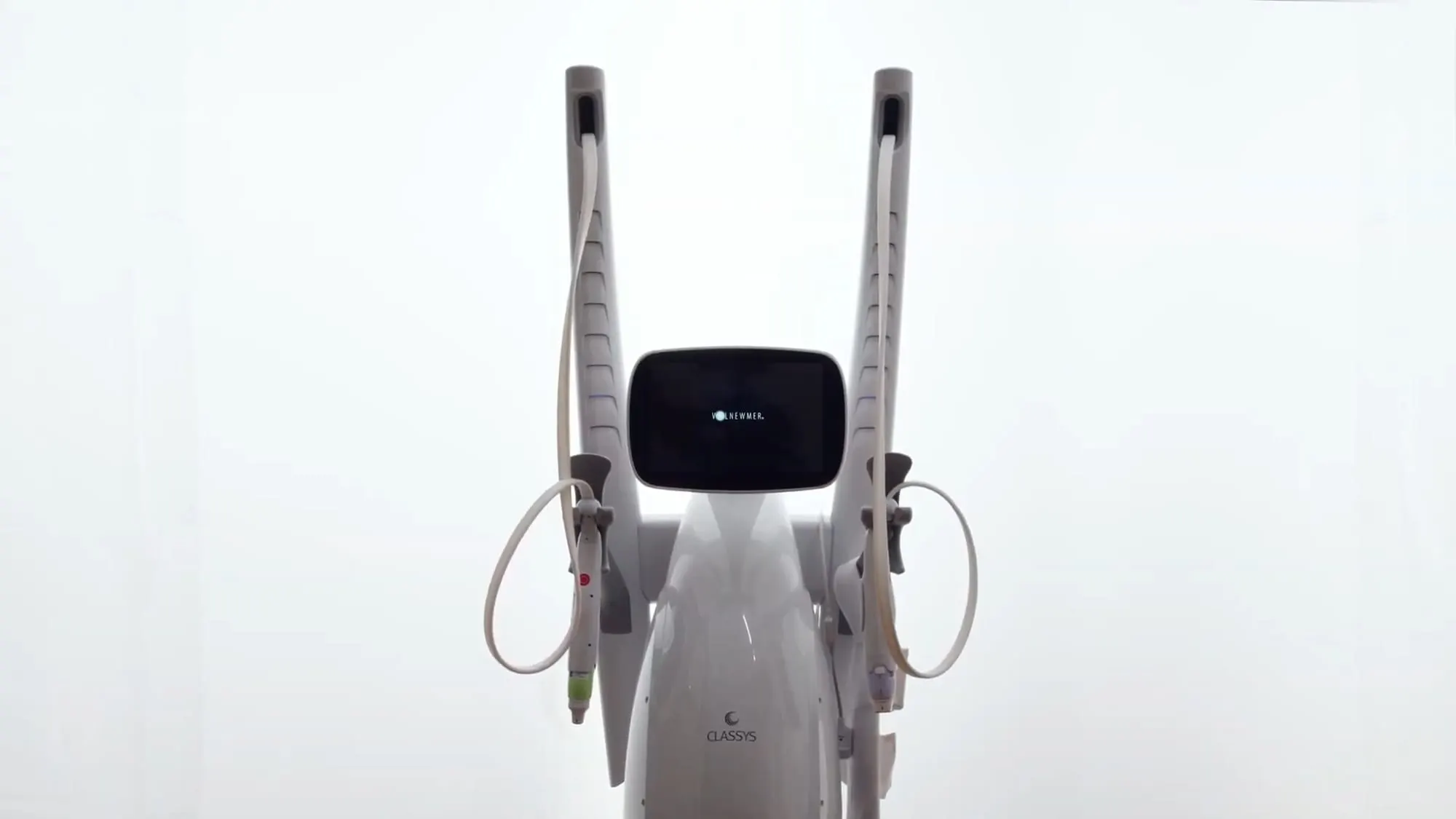
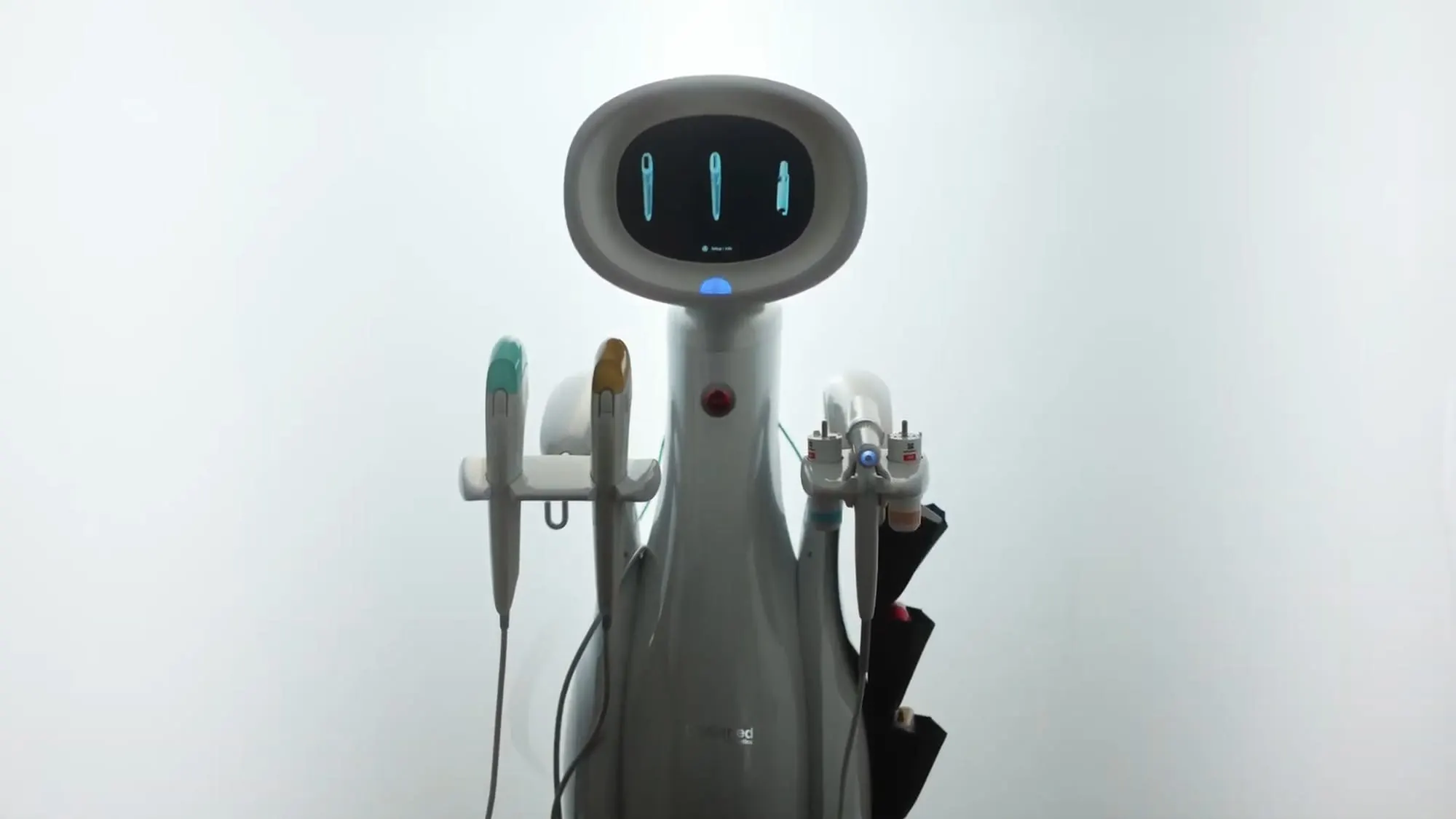
Volnewmer RF and Ultraformer MPT are no-downtime treatments whose collagen remodelling builds over about 3 to 6 months. They are not contraindicated by sun exposure in the same way pigmentation treatments are. Starting in September is a collagen clock, not a finished summer result.
Suitability and risks
Individual results vary. New Zealand advertising rules for health services, set out in the Therapeutic and Health Advertising Code, do not allow claims that a service is safe, has no side effects, works in all cases, or that harm will result if it is not used, and they forbid promoting inappropriate urgency to purchase.
UV after resurfacing can worsen post-inflammatory hyperpigmentation, with higher dyspigmentation risk in Fitzpatrick IV to VI skin. A recent tan, a course that would still be running in high-UV months, or no realistic way to keep 2 to 4 weeks of strict sun protection after a peel are reasons to wait until autumn.
Book an assessment
A skin consultation at Silk Clinical is listed at $45. It is an assessment with a written quote, booked through Fresha, with no obligation to go ahead on the day. Follow-ups are free. Clinical lead is Shontelle Prasad, registered nurse, NCNZ 301636.
If you have peel or microneedling sessions still to complete, or you want a photoprotection plan before October's higher Index, book a consultation and bring your current routine.